The closeness curve
How close you are to
your sibling across your lifetime.
Based on the research of Victor Cicirelli, PhD.
Purdue University.
Between 23 and 31, the two of you
are building your own lives.
You don't drift on purpose.
You're just building your life.
And so are they.
Eventually, you both end up with a
“Frozen Image.”
The version of your sibling
in your head stops updating.
How their day actually looks.
What matters most to them right now.
How they've changed in the last year.
The longer this dip lasts, the more
outdated that version gets.
In day to day life,
it probably doesn't matter.
But you will almost inevitably
face high-stakes moments together.
From family emergencies to loss.
In those moments,
not actually knowing
how your sibling thinks
and who they've become
can turn one difficult conversation
into years of silence.
Staying on the same page
takes a lot less than you think.
Your best memories with your sibling
don't all have to be
from when you were kids.
Plan a trip together.
Keep a childhood tradition alive.
Make new memories together.
And while that's not always possible,
maybe have an occasional catch-up
where you consciously talk about
how your lives are changing.
For siblings who don't share
the same house anymore.
The other is Player B.
you're both doing these days.
A 15-minute conversation game to go past the usual catch-up.
Check it out on our page @seesaw.social
Books that shaped this post.
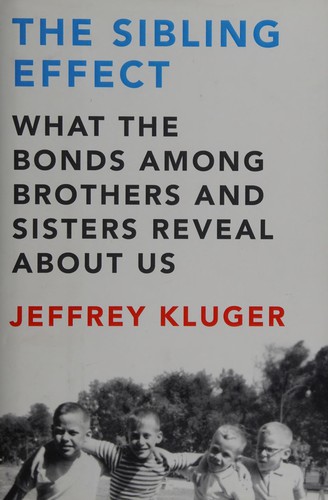
How siblings shape who you become.

The research behind frozen images.
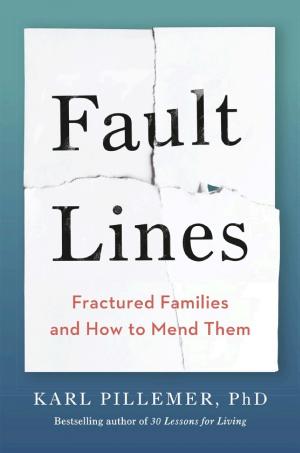
When family relationships fracture and how people find their way back.
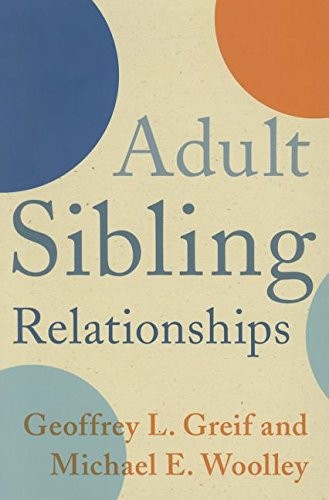
What sibling bonds look like after 40. Based on 260+ interviews.
Siblings carry outdated versions of each other well into adulthood. Karen Gail Lewis calls them "frozen images."
Keep going
Still think you know me?
A conversation game to have with your sibling, beyond the usual catch-ups. Play it on the couch together or over a call if you're apart.
GAME · 10-15 MINS
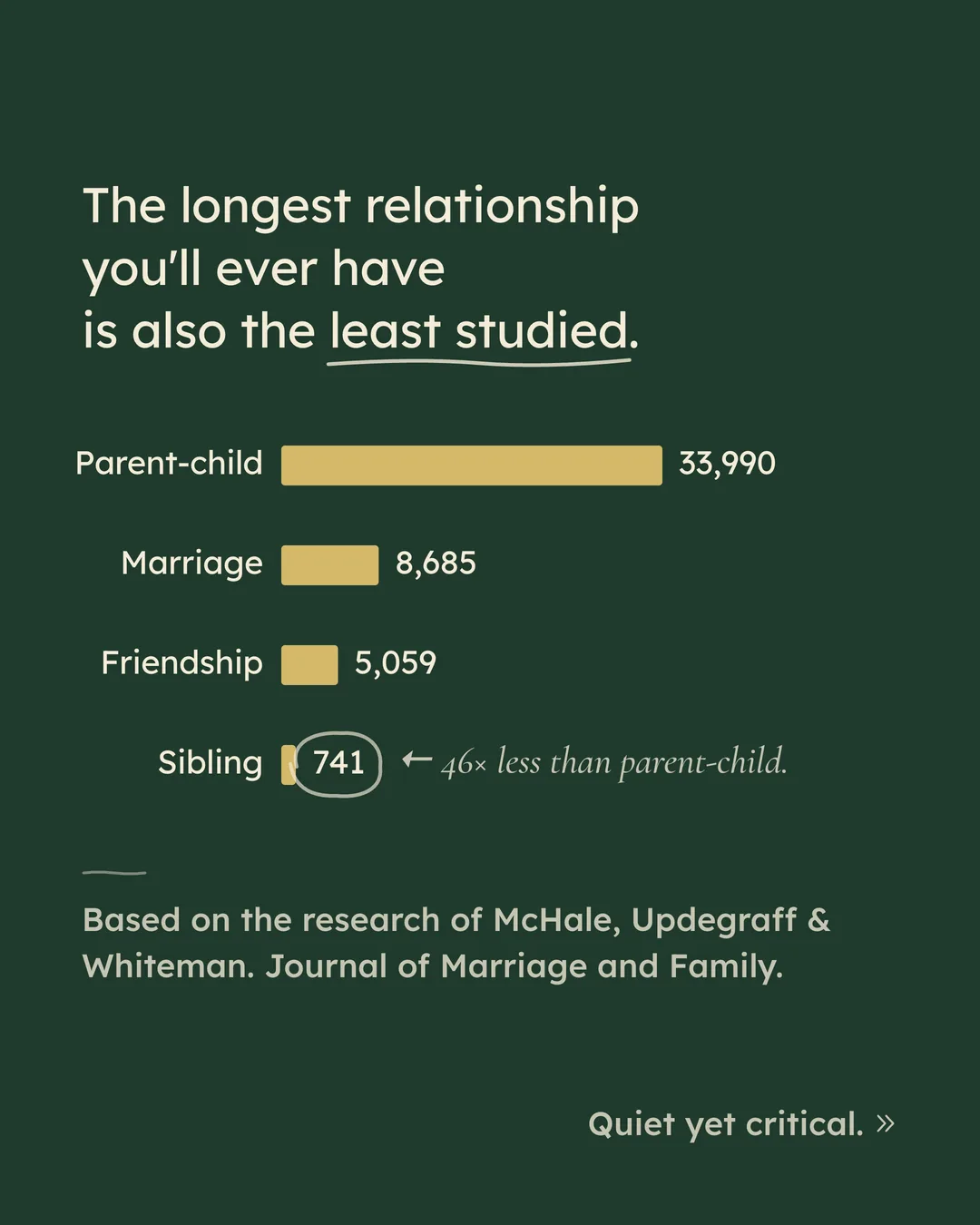
The longest relationship
Most relationship advice skips siblings entirely. So we looked at how the longest relationship of your life changes across a lifetime.
READING · 3 MIN READ